
The biggest and best operators don’t settle for any “good” deal that comes their way. They stress-test every property, protect their downside, and know when to walk away. This is how Janet LePage, co-founder and CEO of Western Wealth Capital, scaled to over 30,000 units—more than any other female-led multifamily investment platform.
Janet bought her first house at 23 years old. After seeing the estimated property value on her tax assessment the following year, she became hooked on real estate and started buying single-family homes at auction, flipping 58 homes in less than two years. Having built systems and processes she knew would scale, she pivoted to multifamily apartments, started raising capital, and quickly grew to over 30,000 units in Phoenix, Arizona.
But Janet’s biggest strength isn’t speed; it’s adapting as conditions change. When third-party managers started acting independently of the business, she launched her own management arm within 30 days. When traditional value-add deals stopped delivering the returns her investors expected, she changed her buy box. In today’s conversation, Janet shares her conservative approach to underwriting, the “failed” deals that saved money in the long run, and why mitigating risk matters more than growing your unit count.
Insights from today’s episode:
- Janet’s journey from buying houses at auction to over 30,000 multifamily units
- The “win-win” business model that locks in higher occupancy or higher rents
- How to choose between third-party management and a vertically integrated business
- The conservative approach to underwriting that saves time and money
- How Janet turned a side hustle into the largest female-led multifamily investment platform
—
Connect with Janet on LinkedIn
Recommended Resources:
- If you’re a high-net-worth investor with capital to deploy in the next 12 months and you want to build passive income and wealth with a trusted partner, click here for opportunities to invest in real estate projects alongside Kevin and his team.
- Accredited Investors, you’re invited to Join the Cash Flow Investor Club to learn how you can partner with Kevin Bupp on current and upcoming opportunities to create passive cash flow and build wealth. Join the Club!
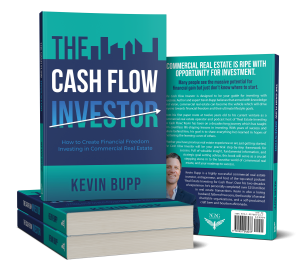
- Looking for the ultimate guide to passive investing? Grab a copy of my latest book, The Cash Flow Investor at KevinBupp.com.
- Tap into a wealth of free information on Commercial Real Estate Investing by listening to past podcast episodes at KevinBupp.com/Podcast.
Disclaimer: This podcast is for educational purposes only and does not constitute financial, tax, or legal advice. Consult with a qualified professional before making any investment decisions.
Chapters:
00:00 Intro
01:55 Janet’s Real Estate “Side Hustle”
08:07 Building Scalable Systems
13:27 Pivoting to Multifamily Apartments
17:28 “Conservative” Underwriting 101
25:52 Walking Away (4 Days Before Closing!)
30:44 Taking Over Property Management
39:06 Changing Her Buy Box
49:07 A “Win-Win” Business Model
58:13 Connect with Janet!
Episode Transcript
Episode Summary
Janet LePage, co-founder and CEO of Western Wealth Capital, joins Kevin Bupp to explain how disciplined acquisitions, repeatable processes, and changing investment strategies helped her company scale across more than 30,000 multifamily apartment units. Her journey began with purchasing a home at 23, then flipping 58 houses in Phoenix in less than two years while working full time, before acquiring apartment properties and building an institutional-scale operating platform.
Janet describes her principle that repeatability creates scalability and reduces risk. Rather than looking for reasons to justify an acquisition, her team looks for disqualifying problems early. She explains why budgeting for abandoned deals and protecting investor relationships matter more than collecting short-term acquisition fees, including an example of walking away four days before closing after a tax benefit essential to the projected cash flow was denied.
The conversation also examines operational control. During the early COVID period, Western Wealth transitioned from third-party managers to its own property-management business in 26 days, taking over 17 properties in its first phase.
Finally, Janet explains the firm’s evolving acquisition criteria: income-restricted multifamily properties associated with Low-Income Housing Tax Credit (LIHTC) programs. She discusses occupancy, below-market rents, financing, compliance, cash yield, and potential outcomes as restrictions expire or municipalities offer incentives to preserve affordability. Investors and operators can use these examples to evaluate risk, management structure, underwriting assumptions, and whether an investment strategy fits current market conditions.
Key Takeaways
– Build a repeatable acquisition and operating process. Standard criteria, renovation limits, and execution steps can help a team scale without abandoning risk controls.
– Try to disqualify a property early. Investigate tax, construction, financial, and operating risks before committing more time and pursuit capital.
– Budget for deals that will not close. Janet describes walking away four days before closing when a denied tax benefit changed the projected net operating income and cash flow.
– Choose property-management structure based on accountability and operational control. Western Wealth brought management in-house in 26 days after discovering a conflict in decision-making priorities.
– Revisit your acquisition criteria as markets change. Analyze income-restricted multifamily housing for occupancy, compliance burden, financing, current yield, and the alternatives available when restrictions expire.
Key Topics Covered
– Multifamily real estate acquisitions and portfolio scaling
– House flipping and auction acquisitions
– Standard operating procedures and repeatable systems
– Conservative underwriting and deal rejection
– Due diligence, pursuit costs, and investor trust
– In-house versus third-party property management
– Vertical integration and operating accountability
– Low-Income Housing Tax Credit (LIHTC) housing
– Income-restricted apartment occupancy and rent restrictions
– Cash-on-cash yield, capitalization rates, and agency financing
– Restriction expirations, municipal incentives, and rent-to-market potential
Episode Chapters
00:00 Intro
Kevin introduces Janet LePage and the role of risk controls, repeatable systems, and adaptive strategy in building Western Wealth Capital.
01:55 Janet’s Real Estate “Side Hustle”
Janet traces her first property purchase, real estate education, Phoenix auction acquisitions, and 58 house flips while holding a full-time job.
08:07 Building Scalable Systems
Janet explains renovation and location criteria, quick turnaround goals, and why repeatable operating steps helped her expand into larger investments.
13:27 Pivoting to Multifamily Apartments
Janet recounts buying her first 23-unit apartment building, leaving her corporate career, and building Western Wealth Capital.
17:28 “Conservative” Underwriting 101
Kevin and Janet discuss finding reasons to reject acquisitions early, underwriting discipline, pursuit costs, incentive alignment, and long-term investor trust.
25:52 Walking Away (4 Days Before Closing!)
Janet shares a transaction she canceled four days before closing after an anticipated property tax benefit was denied, despite the capital raise and money already spent.
30:44 Taking Over Property Management
Janet describes how Western Wealth launched its internal management operation in 26 days during COVID; Kevin contrasts his own transition back from outsourcing.
39:06 Changing Her Buy Box
Janet explains the move from traditional value-add apartments toward income-restricted LIHTC housing, including occupancy, rents, financing, compliance, and expiring restrictions.
49:07 A “Win-Win” Business Model
Kevin and Janet explore cash-yield economics, operating improvements, financing, investor preferences, and the options of renewal incentives or market rents as restrictions end.
58:13 Connect with Janet!
Janet shares closing reflections about taking risks and how listeners can learn more about Western Wealth Capital.
Full Transcript
[Transcript begins]
Janet LePage: What’s important in that, it was just a tax structure that just fundamentally you didn’t get the credit on lower taxes. So your NOI, you know, goes down. Your cash flows wrong. Could I have closed it? Yeah, 100%. You could have looked the other way and did we lose our deposit? 100%. Did we lose four months of marketing and the team launching that? 100%. We’d already bought cool furniture. We’ve already bought everything. But it’s not right. And making those phone calls, it took time. But the relationship on the other side, the prudency to say no, is far more important than anything else.
Kevin Bupp: J.M. LePage built Western Wealth Capital, buying and repositioning over 29,000 apartment units across 120 communities over the past 12 years, becoming one of the largest female-founded and led multifamily investment firms in the country. This doesn’t happen by accident. But what’s interesting is that some of the properties that she’s pursuing today are the very types of deals that she would have passed on just a few short years ago. And there’s a reason for that. Welcome to the Real Estate Investing for Cashflow podcast. I’m Kevin Bupp. Today, I want to unpack how Janet thinks about repeatable systems at scale and also what she learned from bringing property management in-house in a remarkably short time window. And just a quick note here, here’s a fun little challenge I want to throw your way. Leave a comment on how many days you think it took her to bring property management house. And please don’t cheat and skip ahead to find out. And let me know what your thoughts are. Let me know how long you really think it took. But all jokes aside here,
Kevin Bupp: I’m also excited to discuss how the current market conditions have led her toward an investment strategy with some very interesting economics. Let’s get into it. Janet, welcome to the show. I’ve been really looking forward to having you on here and chatting with you today about your business. How are you doing today?
Janet LePage: I’m doing awesome. Thanks for having me, Kevin. I’m doing awesome.
Kevin Bupp: Excited to talk shop here. I think there’s a lot of ground to cover, lots of very interesting ground to cover. And so I know that you’ve built Western Wealth Capital into a very prominent multifamily investment and operating platform here over the years. But I see that after learning a little bit more about your story, What I find the most interesting is the discipline behind how you’ve done it all from always looking for reasons not to buy a deal. I love kind of batting that around internally here at our company, just always trying to find a reason to kill a deal. I know you do the same thing. I know you’ve got a little bit of a kind of a complex story about bringing property management in-house in a very short period of time. And just even changing the different types of evolving over time and changing different types of assets that you’re buying. And so, you know, I think there’s just a lot of unpack just about how you how you look at risk control and just how you built
Kevin Bupp: your investment portfolio today. And so excited to jump in here with you. And what I think what I’d love to do, I’d love to I always like to kind of back it up a little bit, start a little bit of a backstory, get to know you on a more personal level here. And so we’ll love to go back before Western Wealth and go back to the beginning, I guess. You were working full time, you were raising young kids and real estate was kind of a, it was a side and not a side hustle, it was a side business, but you were working full time, but doing real estate in the side. So I guess, tell us about how you initially got pulled into the real estate world.
Janet LePage: Oh, gosh. All right. Let’s go right back. What is so silly about it? And actually, it might be silly, but it’s also relatable. I bought my first house when I was 23. I just finished university. And about a year or so after that, you get your, you know, your assessment. And in my head, I got a mortgage. And, you know, in 30 years, you pay it off. And this assessment came in. And the value of the house, I was reading it. And I actually called my mom, of all things. And I’m like, Mom, what is this number? And she said, oh, like the value of your house went up. And I was so upset that my taxes had gone up because, of course, I am like, what? barely making it just, you know, my first job out of, you know, my degree, I’m a computer scientist. And so I wasn’t necessarily happy about the increase. I’m like, oh, my gosh, you could make money. It’s not just like paying off your mortgage. I grew up in a very small town
Janet LePage: where I values didn’t really appreciate. So I also I don’t know, maybe I was just raised not not understanding growth. And, and so with that, I thought, my gosh, like, what can I do with this? And that was really the start of even being intrigued with real estate. I did a real estate weekend. And are you ready for this? I did a Trump learning real estate weekend. I got a binder. Yes, that had the zipper and the logo on the front. And I remember one of the key things being taken away from there was, you know, if you instead of just paying your mortgage once a month, but paying it every two weeks, it took a while. about five or six years off your mortgage by just making that payment. And I went home and I thought to myself, if I learned that in a weekend, what else could I learn? And are you ready for this? I actually paid the premium price. I’m that person. And for the next year, I had a weekly session with an elderly gentleman
Janet LePage: actually out of Florida. I learned everything. I mean, mobile home parks to tax deeds to apartments. And we met twice in different cities in the U.S. where we would his thing was everything’s a deal. But what is the deal? Right. It’s there’s a price or there’s different things. And later he told me that actually of all the people that had paid, I was actually the only person that did something with it. So that is random. The start of my real estate interest, if you will.
Kevin Bupp: Okay. Well, there’s, there’s obviously, there’s probably a lot more to unpack there. And I do, I do, I do remember, I do remember those early days. I got, I bought my first property when I was 19 and, um, you know, Carlton Sheets had late, late night infomercials and Ron LeGrand was another one of those guys way back in the day. I went to a conference and, you know, a bunch of people rah, rah, rah cheering. And, uh, But yeah, 99% of people never do anything with the knowledge that they take away from some of those seminars and conferences or the study at home programs. But I’m glad to hear that you did. Obviously, you’ve grown into something quite significant here today. And so I would love to maybe unpack it just a little bit more. So you spent a year with that advisor. You know, he just gave you… Various insights on different types of asset classes, maybe how to identify what would be an ideal deal, right? Because everything is a deal, right? I guess at the right price
Kevin Bupp: and if it’s in the right location or what have you. At the right price. Right price, right terms. Yeah, right price, right terms. Yeah. So what did you do with that knowledge after that year of spending with that advisor? What did that look like in the following years?
Janet LePage: Well, Kevin, I wanted to become you, which is funny enough. I wanted to buy mobile home parks. That is what I decided was the best investment. I didn’t want to own the mobile home parks. I wanted to own the land. I wanted to own, you know, the plumbing to the plots. After a lot of hunts, I’ve been to parts of the U.S. that I had never known existed. I couldn’t afford it. So I bought two homes at auction in Phoenix, Arizona, after all my research. And that was the start of my real estate investing. I went on to flip 58 homes in just under two years in Phoenix while working full time. And… You know, I’d get the list at 4 p.m. the night before. I mean, I’ve crawled through more doggy doors than you could ever imagine. I had a system we would spend, you know, I’d spend about $5,000 renovating. My average day on market, average day of renovation was seven days. Average day on market, about seven days. And I borrowed the hard money at 18% other
Janet LePage: than my $10,000 down. And I flipped houses. And that was my start. Okay.
Kevin Bupp: Well, you were, you were obviously working full-time at that, at that stage as well. Right. And I don’t know if you had a family yet at that point, if you had kids, but ultimately you did this while still like, I mean, this really was a kind of a side gig. So I’d be curious to know, I mean, and you know, I, 58 homes in a two-year span of time flipping them, I mean, that’s easier said than done. Surely there’s folks that flip hundreds of homes, maybe not time-rate, but I mean, generally speaking, 58 homes, that’s a lot of transactions. I would have to think that very quickly you learned how to put some good SOPs, standard operating procedures in place, good systems to leverage your time. Because it didn’t sound like you have a lot of time, you’re working a full-time gig. And so You’re doing this with limited time. And so talk to me about that, those earlier days. What types of processes did you quickly put in place in order to scale in such a very short period
Kevin Bupp: of time?
Janet LePage: Why? I didn’t even have the $10,000 for my first house. I actually put a business plan together and I did a PowerPoint presentation for my dad, my late father. And he said, OK, Janelle, play me crib. And I did not have children at the time. And bless him. He basically, he was going to do this. But he said, if you win, I will lend you the $10,000 at 18%. And if I win, you know, you’re on your own. And, you know, somehow he lost that game. And so I didn’t even have the money either. You know, my first one, I made 28 grand in the first, you know, 30 days. And so then I paid him back. He actually became my first investor because he saw it. So, you know, systems, of course, if you couldn’t, you know, $5,000 was my limit of the renovation, right? So right away, you have to be rigorous on what you were going to spend. The second one is you had to be able to do it in seven days. So it had to
Janet LePage: be buy a fridge at most. clean the carpets, fix a broken window, you know, touch up the landscaping. And basically, you’re putting back on the market for the same price as a foreclosure next door. So obviously, somebody walking in, they get this perfectly buttoned up house or one that they need work. And, you know, for the first time homebuyer or that could still get a mortgage and get a credit, I was able to give them a three and a half percent credit, which is really what their down payment was. And they could walk into a turnkey home. And so when the rest of the world said there wasn’t things happening, man, I couldn’t keep my houses, you know, on the market. It had to be a certain number of blocks away from a main highway. It had to be a certain number of blocks from a school. So there was this criteria because you only get the list. at 4 p.m. the night before. Fast forward into multifamily buying, when I look back, one of the key things we talk
Janet LePage: about in Western Wealth Capital is repeatability creates scalability. Repeatability removes risk. And, you know, even if I go even further back, being a computer scientist is like you’re very much step based. And so whether I completely knew what I was doing at that time, that is a foundational element that has been the beating drum of how as a female founder in the U.S., I bought the most number of multifamily in history. Yeah. units in history. And it’s the discipline of that just embedded in the steps of how you do your elimination. So, yes, I wouldn’t even call them It’s funny, within our company, I’m not sure we even call them processes because it’s like it’s in your lifeblood. There is only one, you know, one way. I do think there’s an art. There is, there’s an art in science, right? So there’s a gray area within that. Do not, you know, deviate from your science because that’s how you de-risk. That’s how you scale. That’s how you build trust with your investment partners. And that’s how you confidently say, I
Janet LePage: know I can do this because you’re hitting this repeatability again and again.
Kevin Bupp: No, I love every bit of that. That’s great. Thank you for sharing. So just, I guess, for some context, I did not grab this in the beginning. When you started, what time frame are we talking about? Was this post-2008? 2009. Okay. Okay. 2008, 2009. Right after the meltdown. Yeah. Yeah. Yeah. So, so if I mean, Phoenix was like ground zero at that point, I mean, Phoenix and, you know, Uh, Las Vegas, you know, pretty much every major market in Florida and amongst others, but you know, there was just a, um, a litany of foreclosures that were littering the marketplace. So, Uh, Great to hear that you were on the other side of that and you saw opportunity when lots of other folks, including myself, I was a product of the crash and ultimately had a portfolio that I lost during that period of time. And it was very painful for me. It took me a couple of years to pull up my bootstraps and go back at it again. And so while, you know, now looking back, I wish I
Kevin Bupp: would have. recapitalize faster, realizing that no, the world’s not ending. This is just where opportunity begins again, right? The second time around. But in any event, glad to hear that you were able to jump in at a phenomenal time in the marketplace. So what, I guess, talk to me about the evolution then. So obviously single family flips. You obviously, you mentioned you’re in apartments today, but it sounds like apartments came into the equation shortly after you were in the single family. Okay. So only a couple of years, two years later, what did that look like? What was the starting point there with the apartment side, the multifamily side? And then maybe fast forward today and tell us a little bit about what your business looks like today.
Janet LePage: Well, you know, as I was flipping homes, I remember the night I bought three homes in one day at auction. I was like, oh my gosh. And, and, you know, somewhere in that I went, gosh, what if I could own an apartment building? Like that’s, you know, that’s not three homes, that’s X number of homes. And one was coming up at auction. And the night before, because I, it was a 23 unit building just a few blocks away from Arizona State University, Tempe, Arizona, 53,000 a door for a condo building like less than a mile. And, Uh, and that felt, you know, it felt, it felt steep, I guess at the time. And I also didn’t have the money. So at, at, Uh, seven or 8 PM at night, I found the bank. It was a small bank in Iowa. I found the vice president and I phoned his home number. I kid you not. And I said, I want to buy this. I can’t buy it at auction tomorrow, but I can buy this. If you pull it off,
Janet LePage: this is what I’ll pay for it. And he said, you know, like, he’s like, I don’t even know how you found my number. And I said, because I’m that committed, I found your home line number. And so I’m not sure what’s going to happen. But it didn’t go to auction the next day. And 26 days before my son was born. My feet are swollen. I’m eating a pickle and cheese sandwich because that’s all I had in the fridge at the end of my workday. I mean, I remember swinging my feet and being so rich because I bought 23 homes. That truly, that moment, and I actually couldn’t go down to Phoenix because I live here in Canada. I wasn’t medically insured to fly. And I just swung my fat feet and thought, wow. I am so rich. And truthfully, I’m not sure I’ve ever held that feeling ever again. I hope I never forget it. And I long for it. It was just such a magical moment in the start of what was to come. So that was my first
Janet LePage: apartment building. And then I had my daughter. I’m very efficient. Turns out not just in apartment buildings, but producing children. I had a baby on the front, baby on the back. And she became one. I had bought three apartment buildings at that point. Well, going back to work in between. And I knew that I needed to try this. I knew that I needed to leave school. the corporate world and like not have medical and a pension, which is just terrifying. And the night before my daughter turned one, because in Canada, we can have that much time off. I sat on the floor and I cried because I was terrified. And that was the start of what would become Western World Capital. I didn’t know the name at that point. That was the beginning of 2014. Fast forward, we’ve bought 30,000 apartment buildings, 120 actual apartments, sold 96 of them. And, you know, we’ve done the most number of transactions in the history of Phoenix. We own all across the Sunbelt. And that’s a decade, 12 years later.
Kevin Bupp: That’s beautiful. I love it. I love it. Got focused, got efficient and just made shit happen. I absolutely love it. That’s beautiful. Congrats to all your success. It doesn’t come easy. Obviously, you’ve been grinding for a decade plus, but that is a fairly short period of time. That is a short runway in the grand scheme of things for what you’ve been able to pull off. So again, kudos to you and what you’ve been able to build. There was something that you said in the prep call with our team that I love to dive into. And it’s related to new acquisitions. When you’re looking at an acquisition, you stated that you’re constantly trying to break up with it. I guess, I think in a general sense, we understand what that means. We’re trying to kill a deal. But what does that mean for you guys in practice?
Janet LePage: Well, you know, you can romanticize and find all the yeses, but the whole point of it is to get to no, right? Like get to the dirty parts or the scary parts, because those are the pieces that you need to get through first. I could sit here and romanticize. Oh, but look at, you know, look at the size, look at the makeup, look at the tenants. But in behind that, there could be a tax issue. There could be a construction issue like everything. People spend so much time on the romantic side when the quicker you get to the dirty grit, the quicker you get to the bye. I look for every single no. It’s almost like a first date joke with my friends. You’re on your first date and it’s like… Oh, but he has a great mom and, oh, a great family. And, oh, look at his biceps. It’s like, let’s get down to is he a stage five, right? Can’t, you know, does he drive? Does he hold a job? Like, let’s get into the dirty of it.
Janet LePage: And if those are yeses, it’s great. Instead, you put the blinders on. People tie up a deal and they’re just, they’ve already closed it. And I’m just like, you are, I know you must be sneaky somewhere. I’m going to find your dirtiness. And we’re going to get to it because honestly, it’s, it really, at the end of the day, you’ll find it. It just might take you that much longer. And that’s a waste of time. It’s a waste of dollars. You got to make sure it’s got good bones before you move any further.
Kevin Bupp: So I guess I’m curious. Every aspect. Yeah. That’s a, you know, yeah. I don’t know the size of your team, but I can always speak on my behalf. Years ago was myself wearing a lot of the hats of the business. I’ve had a partner and we had a few team members, but I pretty much was the only person that would say yay or nay to a deal. I was the investment committee, right? And then over time we evolved, we’ve grown the organization, we’ve got multiple other folks, we’ve got an entire leadership team, we’ve got a formal investment committee, and so Now it’s just not me. But again, I share the same sentiment of always trying to find reasons not to buy the deal. Why do we not like this deal? I like it from the outside looking in, but why should we not like it? And I think we’ve been really successful at spreading that mindset throughout the rest of the acquisitions and the rest of the, you know, just the entire organization. But I’d be curious to know if
Kevin Bupp: there’s any ways that you’ve found to be successful to ingrain that mindset to ensure that everyone adapts that same investment philosophy? Because, you know, I think, you know, everyone’s compensated differently. If they’re not an actual principal of the organization, more than likely, there’s some type of bonus or commission structure tied to actually closing of a deal. And so, you know, people can get blinded by money, by dollar signs, right? Before the check’s even cashed, and it might not have been the right deal. So how do you maintain that mindset within your organization?
Janet LePage: Yeah. You know, my average tenure on my leadership team is a decade. So that has been ingrained a long time ago. I completely hear the short-sighted view of acquisition fees and, you know, commission and all of that. But what I think the maturity has brought in my team is that the way that you get repeatability in your investment partners, in your institutional partners, is the discipline of getting to know. You know, some of the greatest conversations that build trust is actually… You know, getting to the and, you know, somebody asked, like, how far have you gone to actually stop? Have gone to like recording money’s at the, you know, basically you’re right there at title and something occurred. Now, I would say, does that happen that often? No, because we’re really good at getting to the dirty no quickly. Right. That that’s that’s the game. But my team understands that that is very short sighted. Yes, you lost on that, you know, that commission or that closing. But it’s a long game with your investment partners. It’s a long game
Janet LePage: in the corporation. And that is really hard. I have a lot of compassion for people starting out because, you know, just, you know, the deal I was talking about, you know, I’ve lost upwards of millions of dollars where I’ve had to walk away because I’m non-refundable, but it is not right. It is not right. And so, you know, when I’m setting a budget for a year, I call it pursuit costs. And it’s not a up. It’s not a revenue stream. It’s a cost. I already have X thousands, millions put aside going, this is okay to spend. So it’s in the budget. People count their chickens and it’s okay to count that. But you’ve also have to have the costs. So it’s in the line item required, right? So it helps with people’s compensation and whatnot because we know we’re going to lose. But that is a maturity that brings you trust and repeatability with your investment partners. If you’re here for a one and done, you can do that. If you want to stick around, you can’t risk that. your
Janet LePage: reputation. I’m a female who lives in Canada who runs a U.S. real estate investment company. It’s called Under Promise and Over Deliver. There is no dollar in a fee that is worth the cost of that. And for anyone that’s owned a deal that hasn’t performed how you thought, let me tell you, it is never worth the short-term win on the fees up front to operate a deal that isn’t working. You will hate your life. And so I think it only takes one. Even if you get that far, you know, you mentioned that, you know, you went through 2009 and whatnot. Like there is nothing worth it. It’s awful. You’re operating other people’s money. You’re operating your life. You care with your whole heart. It takes a tax on you that you cannot describe if you actually care is never worth the short term.
Kevin Bupp: Yeah, no, I agree. And I think, I mean, just, just to that sentiment, um, you talk about building trust with investment partners and, you know, at the end of the day, it takes a lifetime for us to build this, this reputation. Um, but it takes one, literally one bad deal to absolutely wreck it. And it’s really difficult to, to ever, um, Uh, recover from that. And I, and I, I, I think we’re seeing that. I mean, like we, we, I think we’ve seen that maybe play out. I think there’s, there was a moment in time, um, You know, when rates were incredibly low that a lot of new sponsors, especially in the multifamily space, were just getting overly aggressive and were really not looking for the long term. They weren’t looking at the, you know, what’s my business look like in 10 to 15 years and what decisions do I have to make today in order to create a business that has legs that can last a decade plus? It was more challenging. it was more built around a front
Kevin Bupp: loaded fee structure that just allowed me to feed so that I could get to the next deal. But ultimately a lot of bad decisions were made with that short sighted mindset. So in any event, and then not to hound on some, some syndicators that have had some challenges, but I saw it firsthand even in our industry, even in our space, you know, there, there were a lot of deals that we weren’t able to buy. You know, we’re pretty disciplined with, with our underwriting and we just couldn’t get competitive in, you know, you know, 2020, 2021, 2022. And now we’ve seen a number of those deals come back around where there’s, you know, there’s short term debt maturities that are coming due. They’re having to bring equity to the table to get new debt put in place. And just the operations haven’t necessarily panned out how they had anticipated or how they had projected them on their financial model. And so, again, just… I think having that long-term vision in place and being willing to take your time to build a
Kevin Bupp: meaningful business that will stand the test of time is incredibly important. And so I think that’s exactly what you’ve done. You know, I would love to, Jane, I always, I love to, you know, we’re talking theoretically right now. I’d always like to get real case studies of deals, you know, like let’s talk about a real deal when it comes to mind. I’m sure you’ve had a number of them, but a deal that you really liked, um, you know, You spent time, you spent pursuit costs on it and ultimately walked away from. And again, I know the objective is to get to a no as fast as possible so that we don’t have a lot of sunken pursuit costs. But as you and I both know, that’s just sometimes not possible. Sometimes you’ve got to get in and actually spend a meaningful amount of money and surprises come up. And so is there a deal that comes to mind that you would love sharing that just, I guess, what finally caused you to say that we’re done, we’re walking away, we’re
Kevin Bupp: calling it quits?
Janet LePage: Well, I was thinking about it. And I mean, when someone said, have you had them? I’m like, oh, a lot. Yeah, a lot. I’ve had them. But one that, you know, I think that the further you get to closing and that people don’t talk about this enough. the harder it is if you’re not prepared to do that. Because you’ve launched marketing materials. You’ve spoken with investors. Investors have wired money in, right? They’ve signed legal documentation. So why you’re so harsh to get to know is because it is, Each one of those, it gets that much more complicated to unravel. I don’t think we talk about that part as much, Kevin. There’s the loss of pursuit costs, but there’s also, wow, I have an external money-raise agent that has now spent all of this time that if we don’t close, they don’t get paid. We’re not even talking internal, you know, your RAs or your other groups. So the one that was on my mind… We got all the way before four days of closing. So that means every dollar of
Janet LePage: money is raised. We’re talking 100 investment partners. We’re talking external referral people that have brought that money in. And the structure of a tax benefit that really made this deal make sense was denied. Uh, it had been approved forever and it was denied. And, and, you know, you’re, you’re to unravel that is, it’s really easy during DD to walk away. When you’re there, you’re now sending money back. You don’t just send it back without making a hundred phone calls. So you’re, you’re not kind of dating, you’re like married or it’s the night before the wedding. I always joke like, let’s think about a wedding. We’re dating now we’re engaged. Okay, we break up, it’s a little bit more public. Now I bought the wedding dress. And I’m And it didn’t, it financially didn’t make sense. And so you’re unraveling many, many people’s lives. Now, what’s important in that, it was just a tax structure that just fundamentally you didn’t get the credit on lower taxes. So your NOI, you know, goes down, your cash flows wrong. Could I have closed
Janet LePage: it? Yeah, 100%. You could have looked the other way and did that. Yeah. phoning 100 people because sending an email, of course, then the questions, the other thing is your reputation is like, well, why did that occur? And you can take that as a negative or you can actually make it one of the best relationship building experiences you have with your investment partners. And did we lose our deposit? A hundred percent. Did we lose four months of marketing and the team launching that? A hundred percent. We’d already bought pool furniture. We’ve already bought everything. But it’s not right. And making those phone calls, it took time. But the relationship on the other side, the prudency to say no is far more important than anything else.
Kevin Bupp: Well, I mean, that’s how you create lifelong investors, right? Lifelong partners. I mean, you might have, out of that hundred that you called, there might’ve been one that just was so perturbed for whatever reason, although that you were still, I mean, you were being the responsible one by saying no, you were going to internally eat the cost of it. They were going to get their capital back. But ultimately he had plans for that capital. His plan was with you and it didn’t go as planned. But the other 99 more than likely had become lifelong investment partners of yours. So, and whether that could have been the case of, even if the deal would have gone as planned, but more than likely you probably retained even more of those folks when they realize that you are incredibly disciplined individual and that, that you just, you don’t, you’re not willing to sacrifice. You’re not willing to make a judgment call and buy a bad deal. And so, yeah, Um, no, I think that’s, that’s wonderful. Thank you for sharing that. Um, there’s
Kevin Bupp: another, you know, another part of your story, which I think is really intriguing. Um, and I’ve got a similar one, but I’m not going to tell mine. I’m going to let you tell yours. And it’s, I think this happened. I think this happened to you back during, um, during the first couple of weeks of COVID. Um, and I, and I believe, correct me if I’m wrong. Uh, At that point, I think you were mostly leveraging and outsourcing the third-party property management, which is a very common structure. But the property management firm that you were using, I think, made a decision that you didn’t ultimately agree with. And at that point, you decided to make a major shift within your organization. And so maybe if you would speak to that timeframe, what ultimately occurred and then what was the end result?
Janet LePage: We so at that point, right before COVID, we were using seven different management companies, right, even more than one in a certain city. And so we had, you know, had had original, you know, the strategic mandate was we are going to do this. The average time frame is usually about nine months to to do it. And it was. It was December and COVID kind of hit in March. And I said, when we find the right leader or the right components, we’d identified them, we’ll start the process. And so we had identified the leader in January, but she wasn’t joining us until March. COVID hit. And our plan was kind of to do this the traditional way, which I don’t realize I’m not traditional in any kind of way. Um, and we get an email from one of the, one of our largest management companies saying, um, our staff isn’t going into the office. We’re, we’re, we’re closing. And it was not discussed with us and not saying that that was right or wrong. But at the same time, you had
Janet LePage: the rent memorandum. And I went, oh, my gosh, we are having somebody make decisions that are based on their management company versus our equity. And it was just that, you know, you have those moments, you go, we have to do this. In 26 days, we launched Western Mall Communities, our vertically integrated property management company. On our first round, we took over 17 properties. Now, we were such a strong culture and our asset managers were so tight with our team members that were on our properties that every single one of them joined Western wealth communities except for two. because we took care of them as owners. And I mean, the message I could, you know, in that moment, I had no idea. But I knew that my sole job was to protect equity and create, you know, a safe, you know, as a landlord. But in that moment, it was protecting our equity and being in control of those decisions in that way. And we were walking a world that nobody knew. But I was going to be the only one
Janet LePage: that made them in our best interest. And so what really struck me is how important, if you have third-party management, it doesn’t matter if it’s in-house or not. Love those people. They are the ones that control and make or break your investment. Give them the gift card on their wedding anniversary. Find out how old their kids are. Bring the teddy. Be genuinely interested in them because they will genuinely, genuinely change how your investment shows up. And when we chose to lead, they identified so much as Western World Capital versus their management company that it wasn’t even a question. It’s like, well, they already were us. So somebody said, you’re either crazy or brilliant. And I’m like, probably both. And it was crazy. It was chaotic. Looking back, though, you weren’t buying deals, right? If you think about times when you make a pivotal shift, if we had been buying at the pace we were and tried to take over a management company, we wouldn’t have done it well. In that time, we were only focused on operating. So it literally
Janet LePage: was a perfect time to do that. I don’t know how well we would have done it in the distraction of buying, you know, and selling. Instead, in that moment, all we did was operate. So crazy or brilliant, we did it.
Kevin Bupp: Yeah, no, that’s amazing. I said I wasn’t going to share my story, but it’s not as impressive as yours, though. You did it in 26 days. So we had a similar situation many years back. I think we had 24 properties in our portfolio and had outsourced it for… And it was more of an experiment. We had a vertically integrated, not incredibly robust property management platform. And we realized that that was just a weak point of ours. We outsourced it because we didn’t want to focus on… we didn’t want to have to grow an internal, uh, you know, Berkeley integrated property management company to the scale that we knew was necessary based on the size of our portfolio and based on our growth trajectory. And so we outsourced it, you know, we, we attempted to hit the easy button. And as you, you and I both know, there’s really no easy button in the business. And, uh, within six months we realized that it was the biggest mistake we’d ever made. And, um, And ultimately, you know, built out behind the
Kevin Bupp: scenes quietly over a period of about roughly four more months after that to where we could bring it back in house and essentially brought back in the entire portfolio. But it was it was chaotic. In fact, I will say that we actually had to it was during a period when we were buying a lot of properties and we had to stop. We literally had to stop new buying activity. for a period of about eight months. And that was very painful to do because we had a lot of momentum built and we were just really growing at a fast clip and we had to put the brakes on and say no to new investor capital, say no to new opportunities. And as you know, that’s tough to do because you know that you’re passing up probably on some pretty good ones that came your way that might not ever resurface again. But it was the best decision that we’ve ever made. Now we can be fully accountable for all the decisions that we make, whether they’re right or wrong. I would
Kevin Bupp: much rather make the incorrect decision on a particular property and be able to own it entirely and find the mistake that was made, own the mistake, and then find the solution rather than having a third party make that decision on my behalf. And so I think, yeah, it was one of the best decisions we made in our business many years back. And, you know, we’re… I would say that in our industry, at least, I would say about 50% of folks outsource and the other 50% Berkeley integrate. But as you know, it’s also difficult to do unless you have the scale to do it. So we were kind of at the spread at the cusp to where we knew that we would have to inject a lot of capital over the next year or two into that business because it wasn’t going to be profitable if we were going to run it correctly. If we’re going to hire the right staff, build out the right team that had the expertise, It was it was not going to make money for a
Kevin Bupp: number of years. And that was also a painful decision, knowing that we would have to inject multiple seven figures until we got to the scale to where it could at least be a break even. So but again, still the wouldn’t wouldn’t change it for the world. Best decision that we’ve ever made. I appreciate you sharing that. Twenty six days, that was quite impressive. I don’t know how you do that, but you obviously pulled it off. And somehow you know what?
Janet LePage: Sometimes you don’t have a choice. Yeah, that’s right. Absolutely. You rip the bandaid off. You’re doing it. And, you know, actually, I think some of the best things that happen because you can spend so much time in over planning. But truthfully, you don’t really know what’s broken until you break it. Right. I always tell my team we will be always broken in some places, but that means you’ve pushed it to a point where it’s broken and now you can fix it. And that’s in growth or that’s in challenging ways. What is it now? Okay, can you do it better, faster, you know, more cost effects of whatever that is. And at some point you hit something. And that is, there’s beauty in the breakdown. But we can plan, plan, plan. But you know what? It’s in those moments that you just, you build the resilience and you fix it. But you won’t know what the problem is until you’re in it. Yeah, no, I agree.
Kevin Bupp: Would love to switch gears. I know that we’re pressing the time here. And I definitely want to get into your business today because I know that – I know your buy box – any business in order to continue growing and, and, and, and, and build a organization that, that, that stands the test of time. You got to be willing to evolve and adapt because the times change, the economy changes. What maybe made sense 10 years ago, it doesn’t make sense today as far as, as far as the business and scaling. And so I know that your buy box has, has changed over recent years. And so maybe speak to your business today and why, why are you now focused on income restricted multifamily housing?
Janet LePage: Sure. You know, you evolve with where the world’s at, right, on those things. So low-income tax credit housing. So what is that? Basically, at the time that a developer builds something, they will get an incentive or a credit. during that build to basically say that X number of units could be 100% of the units, it could be, you know, a subset to ensure that they stay at a lower rent amount than market rent. And all that that’s really doing is allowing for individuals that have lower income to be able to qualify, you know, to live in a property that they otherwise could not. And so one of the things that 25 years ago happened in the U.S. is one of the largest influxes of buildings happened. And so these credits stay on on average. Now, all of them are a little bit different, but just traditionally about 30 years. So over the next five years, we are going to see the first. mass expiration of LIHTC or low-income tax credit housing. And so, you know, what we have historically been
Janet LePage: is value-add multifamily workforce housing. So, you know, at the peak of our, you know, kind of our pace, we were buying an apartment building every 12 and a half days doing 300 renovations a month. Um, and, and so when we’re in this phase where, you know, really concessions are high, there’s some occupancy challenges, uh, because of new supply that’s come on, that’s sort of burning off. And when I really took a step back and went, okay. Okay. What makes sense right now with interest rates high, with some of the excess supply, where if I were going to plus my money, do I feel comfortable and safe? And so in this situation, what you’re buying is basically rents on average are about 20 to 25 percent below market rents. So what an individual is able to do is, you know, instead of living in a 1970s rental, which would be the same rent, they’re able to live in a 2000-2010 building. And so these buildings are full. So in a time where we have interest rates high and people are looking
Janet LePage: for cash flow or at least, you know, covering cash flow, we don’t have occupancy issues in these buildings because, A, there’s not enough of them. And I want to kind of expand your thinking around what do you mean by low income? Well, our head of acquisitions, daughter graduated university. She’s living in one. Why? She’s just new to the work, you know, working. So her income is low. She has a degree in biology. We’re not talking about. And so she was able to apply. It took her two weeks. There’s a lot of paperwork. And that’s part of the reason you don’t see as many buyers in it. There’s work involved in that. But she was able to live in a much newer property on her lower income. So some of it is expanding your idea of what that means you’re just not you’re making a certain amount below what that city’s amount is. Now, in today’s day, you’re not concession fighting. Our average occupancy is about 98%. Your turnover is about a third because where are you going? There’s not as
Janet LePage: much of this housing. buyers, way smaller buyer pool, because you do have, you know, you do have rules. I often say to people who are like, I really want to do this myself, Janet, I go, that is no problem. I’m not talking about low income tax credit housing, but just being an investor, I go, you either have to become an expert in investing, or you have to go and invest with somebody who’s an expert. But you’re going to kill yourself if you aren’t the expert. And so there is extra paperwork and But basically, you’re buying an asset that’s now 25% below rent. At some point in the next five, eight years, those credits are going to expire. And at that point, you can bring that rent to market. Or you can have a new relationship with the city where they’re going to give you some other benefit to keep that. Win-win either way as an investor. Okay. So in the traditional sense of what we used to be a value add, you know, people go in and say, I’m here,
Janet LePage: I’m going to be able to do A, B, and C. We’re not seeing value add in the marketplace. I laugh when I see other people doing it. I’m like, no one’s paying for that right now. This is a built-in value add without doing anything. Right. So you can put in fixed, you know, fixed rate. You’ve got cash flow. Your cap rates are when you’re buying them, they’re higher. You have a more narrow buying pool. As you get closer to the expiry, more people are wanting to buy them because, you know, in the next year they’re going to expire. It’s just a it’s it’s value add without actually doing anything.
Kevin Bupp: Yeah. And I love the fact that, you know, because there’s a mass expiry, many of the city’s municipalities, you are going to work with them and can continue to keep it that way because there’s going to be incentive. There is going to be a problem with this much expiring, right? So in my mind, as the operator, I get a win-win. Either I am going to let it expire because the city is not giving me enough incentive. And I’m now moved 25% rents. doing nothing. The building right next door is exactly that. Or we’re going to be able to find a new program and keep it that way. So it’s right now, you know, I don’t have to worry a rent’s going to drop another percent. I mean, we’re very much at the bottom. It’s going to drop 2%. It doesn’t matter to me. I’m 20% different than market. I’m going to stay full no matter what. Yeah, there’s lots of opportunity. I’m just curious to know some context around maybe just a general number of how many buildings we’ll be
Kevin Bupp: talking about here over the next five to eight years that are coming up on their exploration. Are we talking hundreds?
Janet LePage: Yeah, hundreds. Yep. Hundreds or hundreds of thousands? Hundreds of thousands. Wow. Hundreds of thousands. Interesting. So it’s the first mass expiration. So in the 30,000 apartment units I have bought, some of them had components of that. Our business strategy in that was go in, renovate, reposition the building, renovate. you know, increase the rents, you know, reposition and move. And what’s funny is I would get these, you know, these buildings that would say, you know, almost completely rent controlled or the LIHTC rent, right? And I go, oh, no, thanks, because it is more work. There’s paperwork. There’s, you know, there’s compliance because, you know, you have, you know, you’re making sure that they match all of that.
Kevin Bupp: So I go, oh, I don’t want to touch that. But in right now in today’s day and age where you have, you know, occupancy challenges, you have uncertainty with, you know, rents and interest rates.
Janet LePage: Now you’re buying, you know, one of the cap rates that we just put under contract is a 7.9. This is a this is a 2000. And this is a truth. Yes, exactly. Yeah. It’s 98% occupied. It’s a 2005 vintage. And, you know, the rents expire in 10 years. So probably a few years before that, you know, we’re going to carry it for about seven years. We’re going to have huge cash flow, very little tenant turnover. And we’ll either continue it through or we’ll, you know, at that point sell it. Because when you’re very close to expiry, you’re attracting a different buyer. Yeah.
Kevin Bupp: What type of debt is available? Like maybe using the example you just gave there, the property selling at 7.9 within place, is there underlying assumable debt on that property or are you having to go out and get it? I’m assuming agency. We’ll put both. So, you know, we’ll assume it if it makes sense, but also Freddie and Fannie, they have programs because it’s, it is low income, you know, light tech housing. So we actually get, you know, about a quarter point or more better than market. Yeah. because of the incentives. They also line it up. So if the expiry is happening, let’s just say at year seven, what they’ll let you do is you can put on the 10-year fixed rate debt, which again, in this day and age where everything else is going on, let the whole world work itself out and just come and invest in these cash flowing buildings. I don’t need to worry about the rest. You’re still going to get your accelerated depreciation as an investor. Just go and enjoy this. Let the rest of
Kevin Bupp: the world work their world out. But Freddie will even tie it so that if the expiry was happening at year seven, instead of having, like, they’ll unwind it for you.
Janet LePage: Like, they make it very easy because it’s sort of part of that social housing piece. So that’s a huge benefit to it.
Kevin Bupp: Yeah, I got a couple other questions here. I know that the scenario I’m about to give you might not be exactly how most of these are arranged. I know it could be maybe 50% of the units, 70% of the units. So I’m just going to use the example of 70% of the units are income restricted and the other 30% are market. Yeah, so like using that scenario, maybe just using this deal that you guys are going to go into – I’m assuming that even – is it pretty common that even the market rate apartments are a little lower than that of what traditional market rate apartments would be? Is that pretty common?
Janet LePage: No. Okay. So they’re at market. No. Okay. So they might be at market, but there might not – so there might not be even a lot of value add with those market rate apartments. But I guess – You could always add some amenities, add some improvements to the entirety of the property. Do you guys typically budget to go in and do some additional aesthetic improvements to just enhance the lives of all the residents? You might go to get a little bump on the market rate apartments. You’re obviously not going to be able to recapture the value-add dollars that were spent on the property. uh, income restricted apartments. But I guess, how do you look at that holistically? Um, when you approach one of these properties, I mean, at a, at a seven, nine cap, uh, let’s be honest, Kevin, um, you have money, you have money. So you, you know, you know, I, you know, I’m not planning to exit it early. Right. So I, I know I’m going in for seven years, but you’re just, you’re cranking cash on
Janet LePage: the market rate. What’s others interesting that people don’t realize it isn’t just the Delta to market rent. Um, You can’t charge for like parking or washers drive. So there’s a bunch of other income on top that as soon as you go to market rent, you can charge for. So one of the things that you do find in the market rate side of it is that – Okay, so imagine as a developer, you’re the developer, you make all of your money in fees, right? You get a huge construction management fee. So as time progresses, you’re really not always paying attention to the operations of these assets. You even haven’t maximized the, you know, the rent controlled kind of rent maximum, because you’ve moved on your business model is going on to the next development, not necessarily being a long term operator. So just simple. small tweaks. You don’t need to do a huge repositioning. We’re not talking about super old assets either, right? And you haven’t had a ton of turnover. But mainly, if it’s been owned by the same original
Janet LePage: developer, it just hasn’t been a focus because they make all of their money in the beginning with the build. And that’s their business model. So, the stuff, I laugh because we were deep value add repositioning, you know, folks. And here, this is very light, of course. I mean, that’s table stakes to being, you know, a good, you know, operator or landlord is you do have to plan your CapEx strategy for that period of time. But with that much cash flow, a lot of that can go right through, you know, your cash flow. But,
Kevin Bupp: Have you changed your institutional capital sources going from the traditional deep value add multifamily to that of this type of it’s more of a cash flow driven play than that of an IRR driven play? Do you have different capital partners that prefer this type of product versus that of something where they can drive high IRRs getting in and out in the three to four year span of time?
Janet LePage: Well, and many of our institutional partners, as an example, have more than one fund. So you’ve got your evergreen funds. This is great for that, right? And then you have your value add funds. So it doesn’t necessarily mean you’re actually changing partnerships. You’re changing funds. You’re changing the strategy. And so many and one of the greatest benefits, at least, you know, with many of our high net worth kind of syndication is accelerated depreciation. You still get it right. You’re going to get that. You’re going to get the yield play, which for so long hasn’t really existed in multifamily. So you’re almost tapping in not necessarily to different investment partners. Yeah. different pocket of their income or different pocket of their investment channel. And there’s people still want to invest in multifamily or in real estate. It’s just been challenging to do so. Right. It’s been really challenging. And this is such a simple way to do it. Well, it hasn’t been a yield play for many, many years.
Kevin Bupp: Right. And so like in the, now the value add game is basically stopping this track to a certain degree. Right. And so, yeah, it’s just, it’s weird timing. Um, you know, and they’re just, I can’t, it’s, it’s been, gosh, probably a decade since it’s actually truly been a yield play in the traditional multifamily space. Maybe I’m a little, little long and saying 10 years, but I’m, I would say I don’t think you’re far off of that.
Janet LePage: I think we did get yield. You know, if I go back 2015, 2016, you were getting cash flows for sure, 2017. But the bump up was so much more. I mean, those were huge IRR exits for, you know, investment partners to turn because everything was just moving so fast. Okay, are you ready for this? Under $100,000 a unit for over $2,000 construction. Is that an anomaly? I mean, these examples you’re giving me, a 7.9 cap in place or $100,000. The one we’re just closing right now, $118 a door because you have to understand you’re talking about $100,000. 40% or it could be 50% of rent, right? So even though we’re buying at a higher cap rate, you still have this huge delta.
Kevin Bupp: So like- You’re still getting 200 bips of yield, right? I mean, based on where you’re probably going in with your agency debt at this point, especially if you’re getting a little bit of a lower rate, I think you said a quarter point.
Janet LePage: So you might be, what, you probably are going in with 175, 200 bips spread of yield, which is amazing. Yeah. Yeah. So, I mean, that can, it was just, why did we not do it before? It solves the problems we’re facing right now. And I think that’s what’s really important as an operator. You’re looking for what are my investment partners and myself going, where would I feel safe right now? I’d like to be deploying. And that’s how we found ourselves here. Is it more work for me? Yes. The buildings are smaller, generally, and the paperwork is a lot more, and the relationship with the municipality and the city is important. When I could make money hand over fist doing value-add, would I go and do this? No. Am I doing it right now because I can buy with a delta that I know is going to stay? I can put on fixed rate debt. I can generate yield. I’m not playing the concession fight. I’m not dealing with, you know, the dry up and supply. I have checked all those
Janet LePage: boxes. So does this make sense right now? Yes. Yes.
Kevin Bupp: I love it. You’ve got you’ve got plan A, plan B, plan C with this money. You got plan A, which is a yield play. You got plan B, which is a renegotiation with the municipality to hopefully get some type of concession. Maybe it’s a tax abatement. Maybe I’d love to know your thoughts there. Like what else? What else have you seen? as far as like a renegotiation, what kind of incentive will City give you? And then I guess the last piece I’ll make there, like your plan C is just let it expire and take everything to market, right? And you’re 34% below market. It’s like lost to lease, like we bought years ago, you know, when you’d walk in and the person had owned it for 30 years and there was no, you know, dynamic pricing and they just didn’t realize that the next door neighbor was charging $300 more in rent for the exact same product. It’s that. Yeah. It’s it’s that which is crazy. It’s just a loss. I’m sorry, I interrupted you. I think you’re going to
Kevin Bupp: answer my question maybe about some other incentives that a city or municipality might give you in order to maintain that that that low income structure in place. Or to renew it, incentivize you to renew it.
Janet LePage: It can be, again, it can be taxes. It can be credits for new repositioning, your capital expenditure. But what’s happening is it’s getting more creative, right? Because the next five years is the first wave of expiry in history, mass wave. This is going to be a problem. So this is actually a leading edge kind of also almost like uncharted territory in what is going to be required to keep it that way. I’m actually excited to be involved in it. There’s the traditional pieces, but… It, you know, what’s important is with our investment partners, how great would that be if we could figure that out? And if not, we have a 20% loss to lease and all I have to do is just start renting.
Kevin Bupp: Yeah, that’s beautiful. Well, Jan, this has been a really fun conversation. Really appreciate you coming. I know I kept you over time or over by a number of minutes. And so I want to be respectful of your time and I do appreciate you joining us here today. And so I guess before we wrap it up, just maybe give you an opportunity to share any closing thoughts that you might have based on our conversation today. And then also, I guess equally as important is just let everyone know where they can connect with you and learn more about Western Wealth Capital.
Janet LePage: Oh, well, thank you. I enjoy this conversation. Closing thoughts. You know, it’s fun to kind of look back. You know, you don’t talk a lot about the past. I think one of the reasons I do this is because I’m just a mom at the end of the day, raising teenagers who cut me down like, gosh, if I need my ego cut, I just need to like, you know, Talk to my 13 and 15 year old. Have the courage to challenge. It feels really, really great on the other side when you do it. Takes a lot of guts. But boy, does it feel good. You know, life is long and it’s the stories that you can go back and go remember that time I really went on that limb. But the reward was so huge, not just financially, but just emotionally. These are always great talks to remind you that life is bigger than just the pieces. To learn more about Western Wealth Capital, it’s at westernwealthcapital.com. And thank you, Kevin. It was great to connect.
Kevin Bupp: Have an awesome day. No, this was awesome. Yes. Thank you so much, Jan. It’s been a pleasure having you. And guys, those are tuning in. If you enjoyed today’s episode, please do us a favor, subscribe to the show on your favorite podcast platform. There’s many of them out there nowadays. Leave us a rating review as well if you did enjoy the show. And lastly, just to share the episode. I think we covered a lot of great ground today. So share the episode with someone you think will benefit from hearing Janet’s perspective. So until next time, this is Kevin Bupp.
[Transcript ends]